How Amar Smalls Is Building SMALLSDANCE with Werk
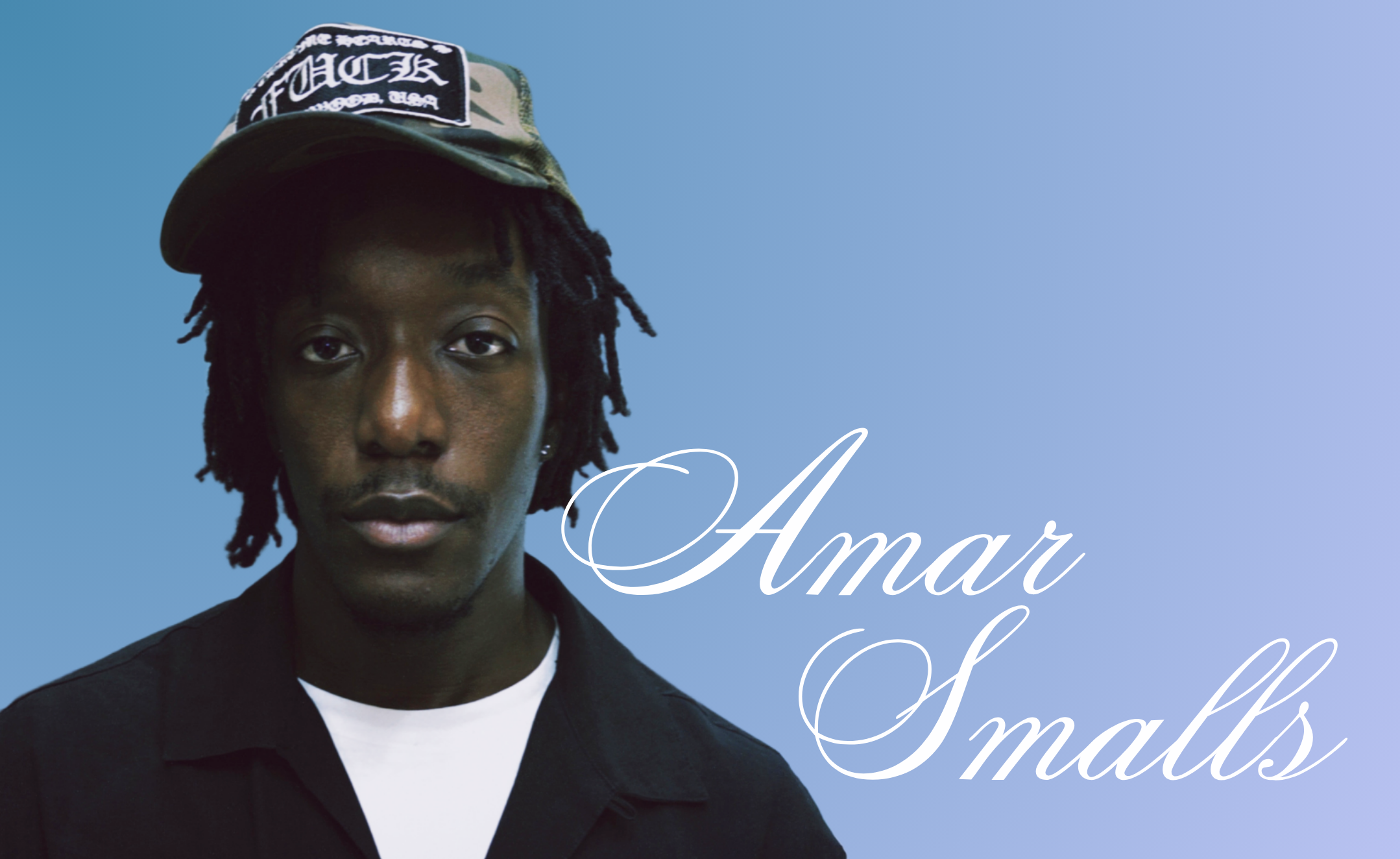
How Amar Smalls Is Building SMALLSDANCE with Werk
The shut up and dance thing should be gone by 2027. I just want to change the culture of how we speak about things.
– Amar Smalls, Founder, SMALLSDANCE
Amar Smalls is 27 years old, has trained at some of the most prestigious dance institutions in the world, has performed with Alvin Ailey American Dance Theater and Dance Theatre of Harlem, and has decided that the most important thing he can do right now is say the thing nobody in classical dance wants to say out loud. Not in a fundraiser pamphlet. Not in a panel discussion with big words that lose the room. Just clearly, directly, in plain language, on the internet, where everybody can see it.
That's the thing about Amar. He is, by any traditional measure, someone who made it in dance.
And he's using that position not to protect what he has, but to say what everyone already knows. Racism in ballet. Classism in dance. The way dancers are penalized for speaking truthfully about their own experiences. The way institutions control the culture by keeping people quiet. He says it all. And people respond because it's the truth, and the truth is undeniable even if it's uncomfortable.
Oh, and he's also building SMALLSDANCE in Brooklyn. But let's take it back to –
The Beginning: Basketball Shorts and Agon
Amar came to dance at 11 or 12, the way a lot of boys do: reluctantly, because his mom told him to. He had been taking acting classes, which he hated. The only reason he stayed was that he got to wear basketball shorts instead of tights. "If I had to wear tights, I wouldn't have stayed," he says. Fortunately, he was athletic, and dance came naturally to him.
And then he saw something that changed everything. It was Agon by George Balanchine, a 1960s recording, with Arthur Mitchell in it. "The first thing that jumped out to me was the costumes," Amar says. "And then he just looked so masculine on stage." He'd been in classes that were mostly girls, with no one who looked like him. Arthur Mitchell was dark-skinned, masculine, extraordinary. "I was like, oh, this is crazy."
He was 11 years old. Agon is still his favorite ballet - he plays it on loop in the studio.
From there, he went to LaGuardia High School and Harlem School of the Arts, trained at The Ailey School, ABT's Jacqueline Kennedy Onassis School, and San Francisco Ballet School, and absorbed every summer intensive he could find. "I just wanted to be the best I could be. I knew everybody else started when they were three years old and I felt really behind." He wasn't. He was just starting.
The Career: Making It, and What He Found There
Amar went professional straight out of high school. Ailey II. Alvin Ailey American Dance Theater. Collage Dance Collective. Dance Theatre of Harlem as a first-season guest artist. By any measure, a remarkable career built on extraordinary training and genuine talent.
And throughout all of it, he kept noticing things. Things that every dancer knows, but nobody says. The first time he said something in a professional company, before social media existed, he got the short end of the stick for the rest of that tour. Penalized, simply for speaking the truth. "I've been saying stuff since I was a kid," he says. "But now I'm saying it on social media because I think no one can fire me now."
What he says isn't complicated. It's that dancers are the ones who drive the business. That racism in ballet has evolved into classism, and classism in dance is rampant. That rich institutions demean the very people who make their product possible. That the "shut up and dance" culture protects the people at the top and costs everyone else. "Somebody just has to say something about it."
Dancers are going to be more resilient and just be like: I'm not doing that. If you want me to dance for you, don't do that.
– Amar Smalls
The Content: Why He Says It the Way He Says It
What makes Amar's content land isn't just what he's saying. It's how - he's not dressing it up. He's translating real experiences into plain language that actual dancers can hear and recognize and share.
"A lot of people use big words and it loses dancers," he says.
The response has been exactly what you'd expect when someone finally says the thing. At first, people were hesitant to comment, not wanting their bosses to see. Then one person said something, and then another.
It only takes one person to comment something like 'I agree, this happened to me' and then everybody feels comfortable enough. Because you're not going to get all of us.
He's clear that he doesn't think he's always right, or that he's the only person who's ever advocated for dancers. He just thinks he's translating something that's been true for a long time into a language people can actually receive.
I hope people are just more aware. Question the world more. Think like you're being lied to all day. Then think about the truth that you know is in your head and speak it.
Teaching: The Delusional Thought That Works
Amar started teaching because he needed money. What he turned out to be exceptionally good at is translation, taking something that has always been treated as elite and inaccessible and making it feel possible for people who never thought it was for them.
His adult beginner classes are full of able-bodied people who are scared to stand on one leg. He finds this both baffling and completely understandable. It's the culture of ballet, he says, that makes people think they need to have started as an embryo. His answer to that is simple and consistent: come to class. You don't need an outfit. You don't need a background. As long as you can walk down the street, come in.
"Look up and you're going to look great," he tells his students. "Look down and you're going to go down. Don't think about the turn, it's about the finish. If I take a picture of you in the middle of a pirouette, it's probably not going to look that good. But that finish is going to look great."
It's practical. It's direct. It works.
Most of his students find him through TikTok. He tried stepping back from posting and noticed the difference immediately. The content, when it's authentic and unforced, reaches people who have always wanted to try ballet but told themselves they couldn't. That audience is bigger than anyone in classical dance has wanted to admit.
I don't think anybody in the world is special. Some people just dedicate themselves to a thing for a longer amount of time. That's it.
Running It on Werk: One Click and Your Task Is Done
Amar describes himself as the least organized person. Which makes it all the more telling that Werk has become the thing that keeps SMALLSDANCE running smoothly.
It's so organized... and I'm like the least organized person. But just having the mailing list and being able to clone an event and redo it over and over again is so gas. It just takes the work out of selling and teaching classes and makes it easy.
What he keeps coming back to is how it looks and feels. Not corporate. Not clunky. Not like staring at MindBody and trying to figure out what to click. "It's accessible," he says.
It's kind of like how we had Blackberries and then Steve Jobs came along. It just feels good. One click and your task is done.
For someone whose whole ethos is about removing unnecessary barriers, a platform that actually does that is not a small thing. The admin isn't the hard part for Amar. The hard part is the mentality, the cultural weight, the systems that tell people they don't belong.
Werk handles the logistics so he can focus on the thing that actually matters: getting people in the room and changing how they see themselves.
The Highest Dream: The Greatest School in the World
Ask Amar about the grand vision for SMALLSDANCE and he doesn't hesitate. He wants to build the next generation of dancers who think differently. Who speak for themselves. Who take their own opportunities. Who don't wait to be given permission.
Not everybody's going to be a dancer forever. I just want these kids to be different from the generations I've seen. Speak for themselves. Take every opportunity they can take.
---
Amar Smalls is one of thousands of dancers and creators building their businesses as Werk Members. If you're ready to do the same, join Werk today.